
Learn how Azure supports regulatory compliance, security standards, and risk management using built-in compliance tools and frameworks.
What Is Azure Compliance?
Azure compliance refers to how Microsoft Azure helps organizations meet regulatory, legal, and industry security requirements when hosting data and applications in the cloud. Microsoft designs Azure services to support global compliance standards while sharing responsibility with customers.
Compliance is especially critical for industries such as finance, healthcare, government, and e-commerce.
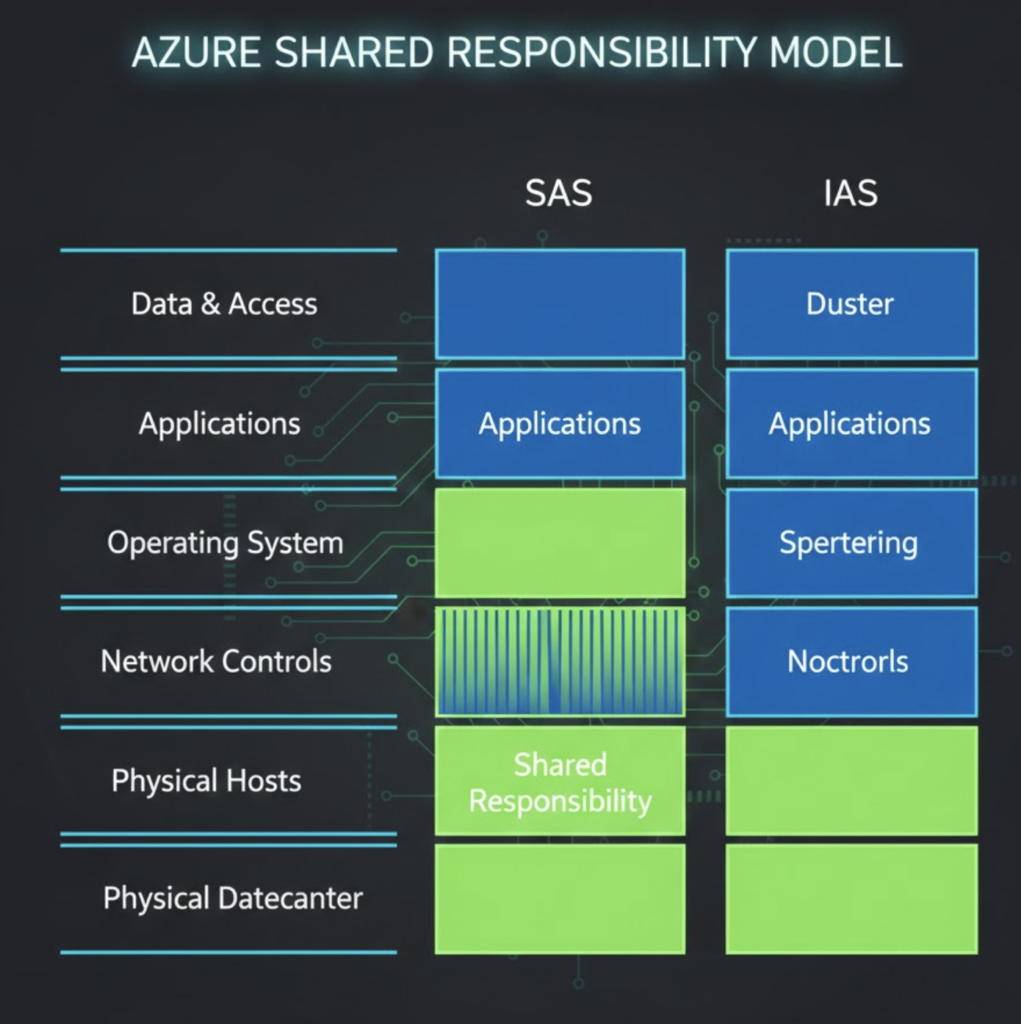
Azure Shared Responsibility Model
Compliance in Azure follows a shared responsibility approach:
- Microsoft Responsibilities
- Physical data center security
- Underlying cloud infrastructure
- Platform security controls
- Customer Responsibilities
- Data classification and protection
- Identity and access management
- Application security and configurations
- Compliance of workloads deployed in Azure
Understanding this division is essential for meeting compliance obligations.
Key Compliance Standards Supported by Azure
Azure supports a wide range of global and regional standards, including:
- ISO/IEC standards
- SOC 1, SOC 2, SOC 3
- PCI DSS
- GDPR
- HIPAA
- FedRAMP
Microsoft publishes detailed audit reports and compliance documentation to support customer requirements.
Azure Compliance and Security Tools
Azure Policy
Helps enforce compliance by applying rules to resources, such as allowed regions or required encryption settings.
Azure Blueprints
Provides repeatable compliance templates that combine policies, role assignments, and resource configurations.
Microsoft Defender for Cloud
Offers continuous security posture management and compliance insights across Azure resources.
Why Compliance Matters in Azure
Strong compliance practices help organizations:
- Reduce regulatory risk
- Protect sensitive data
- Improve customer trust
- Meet audit and reporting requirements
- Maintain consistent security standards
Best Practices for Azure Compliance
- Identify applicable regulatory requirements early
- Use built-in compliance dashboards
- Apply policies consistently across subscriptions
- Monitor compliance continuously
- Document security and compliance controls
Conclusion
Azure provides extensive compliance coverage and tools to help organizations meet regulatory and security requirements. While Microsoft secures the platform, customers must actively manage their workloads to remain compliant.