Microservices Architecture is a design approach where an application is broken down into small, independent services, each responsible for a single business function.
Each service:
- Runs independently
- Can be developed, deployed, and scaled separately
- Communicates with other services using APIs
Architecture Components Explained
Multiple Independent Services
Each service handles one specific capability, for example:
- User Service
- Authentication Service
- Payment Service
- Notification Service
✅ If one service fails, others continue working
✅ Teams can work independently
Containers (Docker)
Each microservice is packaged inside a container.
Why containers?
- Consistent runtime across environments
- Lightweight and fast startup
- Easy version control and rollback
Result:
👉 “Build once, run anywhere”
Kubernetes (Container Orchestration)
Kubernetes manages and orchestrates containers.
Key responsibilities:
- Auto-scaling services based on load
- Self-healing (restarts failed containers)
- Load balancing between services
- Rolling updates with zero downtime
Result:
👉 Highly resilient and scalable system
API Gateway
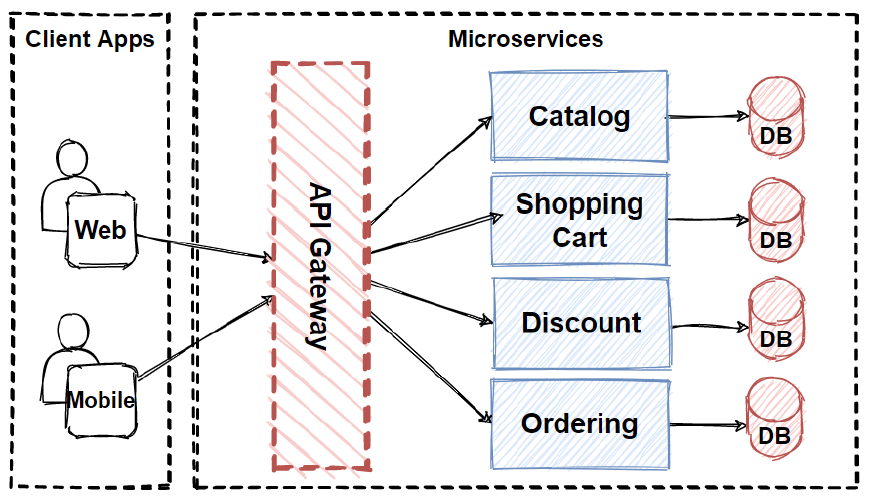
API Gateway acts as a single entry point for all client requests.
Responsibilities:
- Routes requests to correct microservice
- Authentication & authorization
- Rate limiting
- Logging & monitoring
Example flow:
Client → API Gateway → User Service / Order Service / Payment Service
Request Flow (Simple)
- Client sends request (Web / Mobile App)
- Request hits API Gateway
- API Gateway routes it to the required microservice
- Microservice processes request
- Response sent back via API Gateway
Challenges (Important to Know)
- Increased operational complexity
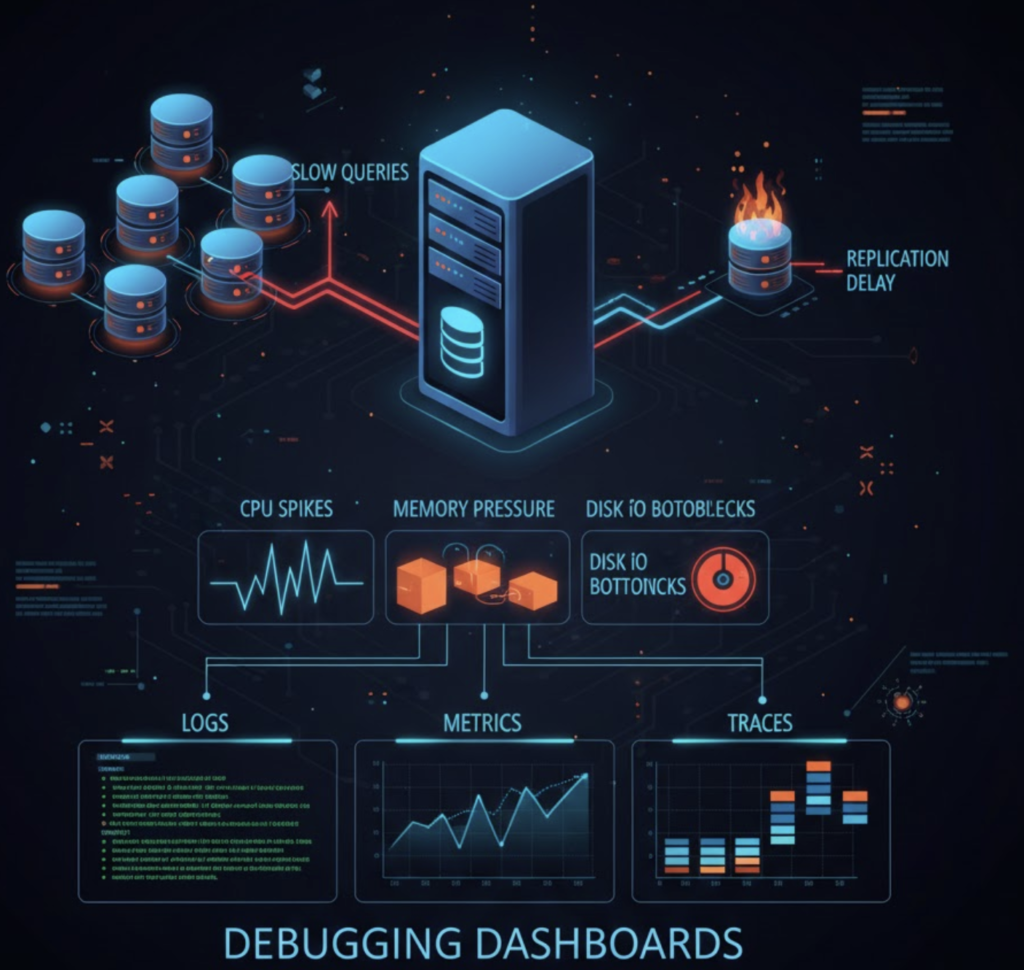
- Requires strong monitoring & logging
- Network latency between services
- Needs experienced DevOps practices